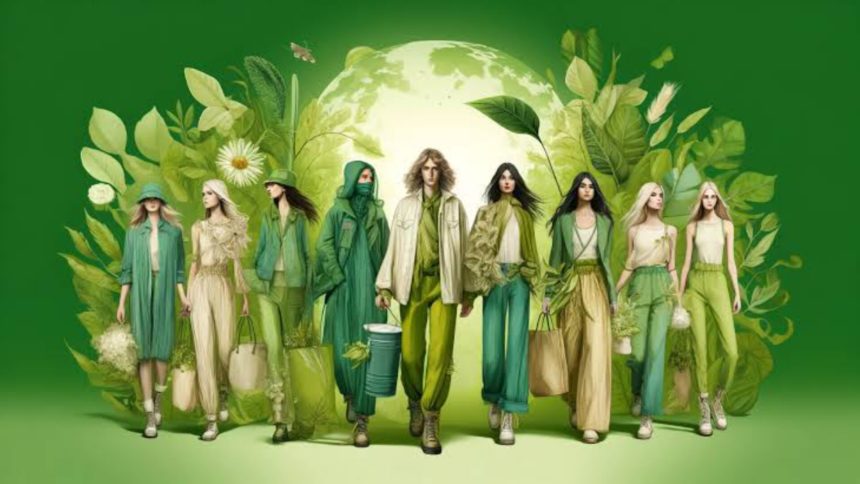
Fashion today is more than just a statement—it’s a responsibility. As environmental concerns grow, the global fashion industry is undergoing a much-needed transformation. With the rise of eco-friendly fashion, consumers are embracing a sustainable approach to style that benefits both the planet and people.
This article delves into the world of eco-friendly fashion, exploring its importance, key elements, and how you can contribute to this greener movement.
What is Eco-Friendly Fashion?
Eco-friendly fashion, also known as sustainable fashion, refers to clothing and accessories designed to minimize environmental impact. It prioritizes ethical production, sustainable materials, and reducing waste while maintaining aesthetic appeal.
Key principles of eco-friendly fashion include:
- Sustainable Materials: Using fibers that are organic, recycled, or biodegradable.
- Environmentally Conscious Processes: Limiting harmful chemicals, reducing water usage, and cutting carbon emissions.
- Circular Economy: Promoting recycling, upcycling, and repair to extend product life cycles.
Why is Eco-Friendly Fashion Important?
The traditional fashion industry is one of the largest contributors to environmental degradation. Here’s why eco-friendly fashion matters:
1. Reducing Pollution
- Water Pollution: Toxic dyes and untreated wastewater from textile factories pollute rivers and oceans.
- Plastic Waste: Synthetic fabrics like polyester shed microplastics, harming marine life.
2. Combating Climate Change
- The production of fast fashion generates significant greenhouse gas emissions. Eco-friendly fashion reduces this footprint by using low-impact manufacturing methods.
3. Preserving Resources
- Conventional cotton farming uses excessive water and pesticides. Alternatives like organic cotton and hemp are less resource-intensive.
4. Promoting Ethical Labor
- Many fast fashion brands exploit workers with low wages and unsafe conditions. Sustainable fashion emphasizes fair trade and ethical practices.
By choosing eco-friendly options, consumers can make a tangible difference in addressing these issues.
Key Elements of Eco-Friendly Fashion
Eco-friendly fashion encompasses several innovative practices and principles that redefine how clothes are made, sold, and worn.

1. Sustainable Materials
Sustainable fabrics are the backbone of eco-friendly fashion. Popular options include:
- Organic Cotton: Grown without harmful pesticides, conserving soil and water.
- Hemp: A versatile, fast-growing crop requiring minimal resources.
- Recycled Polyester: Made from discarded plastic bottles, reducing plastic waste.
- Tencel (Lyocell): A biodegradable fiber produced from sustainably sourced wood pulp.
These materials are not only eco-friendly but also durable, ensuring long-lasting wear.
2. Slow Fashion
The slow fashion movement advocates for quality over quantity. Unlike fast fashion, which encourages rapid consumption, slow fashion promotes:
- Timeless designs that stay in style for years.
- Fewer collections annually, reducing overproduction.
- Encouraging consumers to buy less but better.
3. Upcycling and Recycling
Creative reuse is at the heart of sustainable fashion:
- Upcycling: Transforming old garments into new, trendy pieces.
- Recycling: Breaking down old textiles to create new fabrics, minimizing waste.
For instance, brands like Adidas have introduced sneakers made entirely from recycled ocean plastic.
4. Ethical Production
Eco-friendly fashion ensures fair wages, safe working environments, and cruelty-free practices. Supporting local artisans and small-scale producers is another way to promote ethical production.
5. Supporting a Circular Economy
A circular economy in fashion involves designing clothes meant to be reused, repaired, or recycled. This approach reduces the need for virgin resources and minimizes waste.
Brands Leading the Eco-Friendly Fashion Movement
Several brands are spearheading the sustainable fashion revolution. Here are a few notable examples:
- Patagonia: A pioneer in sustainable outdoor clothing, known for its recycled materials and commitment to repairing worn items.
- Stella McCartney: A luxury brand that combines high fashion with sustainability, using vegan leather and cruelty-free practices.
- Levi’s: Introduced the Water<Less™ technology, saving millions of liters of water in denim production.
- Eileen Fisher: Focuses on timeless, minimalistic designs and responsible sourcing.
- Everlane: Known for radical transparency, revealing the true costs of its products and ethical production methods.
These brands demonstrate that sustainability doesn’t mean compromising on style or quality.
How to Embrace Eco-Friendly Fashion
Adopting eco-friendly fashion doesn’t have to be complicated. Here’s how you can make sustainable choices:
1. Shop Second-Hand
Thrift stores, consignment shops, and online platforms like Poshmark and Depop offer stylish, budget-friendly options while reducing waste.
2. Support Sustainable Brands
Choose brands that prioritize transparency and sustainability. Look for certifications like GOTS (Global Organic Textile Standard) and Fair Trade.
3. Repair and Upcycle
Extend the lifespan of your wardrobe by repairing damaged clothing or upcycling old pieces into something new.
4. Choose Timeless Designs
Invest in high-quality, versatile pieces that can be worn across seasons and occasions.
5. Wash Responsibly
Use cold water, eco-friendly detergents, and avoid over-washing to reduce microplastic shedding and energy use.
Challenges and the Future of Eco-Friendly Fashion
While the movement is gaining momentum, it faces several challenges:
1. Higher Costs
Eco-friendly clothing often comes with a higher price tag due to ethical production methods and sustainable materials. However, investing in quality pieces pays off in the long run.
2. Limited Availability
Sustainable options are not yet widely accessible in all regions, making it harder for consumers to make eco-friendly choices.
3. Greenwashing
Some brands falsely claim to be sustainable. Consumers must research and verify these claims to avoid being misled.
The Future of Eco-Friendly Fashion
Innovations like plant-based leather (e.g., Piñatex), lab-grown fabrics, and biodegradable textiles are paving the way for a more sustainable future. Additionally, advancements in AI and blockchain technology will enhance transparency and traceability in supply chains.
With growing awareness and innovation, eco-friendly fashion is poised to become the new normal.
Conclusion
Eco-friendly fashion is more than a trend—it’s a lifestyle choice that reflects our collective responsibility to protect the planet. By embracing sustainable materials, supporting ethical brands, and making mindful purchases, we can reduce the environmental impact of our wardrobes.
Take the first step today: Choose fashion that doesn’t cost the Earth. Together, we can redefine style with sustainability.