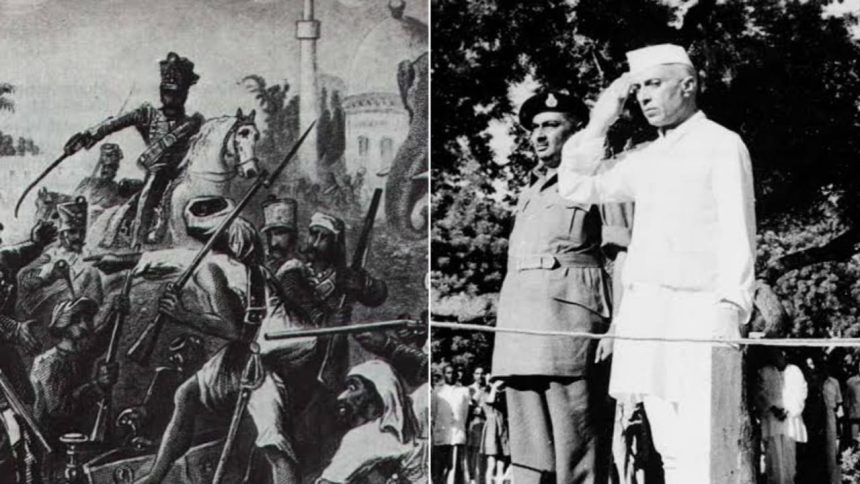
India’s journey to independence was long and arduous, spanning over a century of struggle, sacrifice, and relentless pursuit of freedom from British colonial rule. The 100-year period from 1857 to 1947 is marked by significant events, movements, and leaders who shaped the destiny of a nation striving for self-rule. This detailed Indian Independence timeline covers pivotal events, leaders, and movements that contributed to India’s independence.
1857 – The First War of Independence
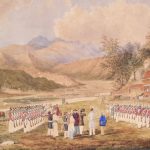
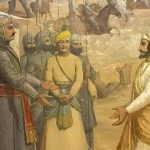
The First War of Indian Independence, also known as the Sepoy Mutiny or Indian Rebellion of 1857, was a significant turning point. Triggered by widespread discontent against the British East India Company’s rule, the rebellion began as a mutiny among Indian soldiers (sepoys) in Meerut but quickly spread across northern and central India. The mutineers were soon joined by peasants, artisans, and kings, including Begum Hazrat Mahal of Lucknow, Rani Laxmibai of Jhansi, and Nana Saheb of Kanpur.
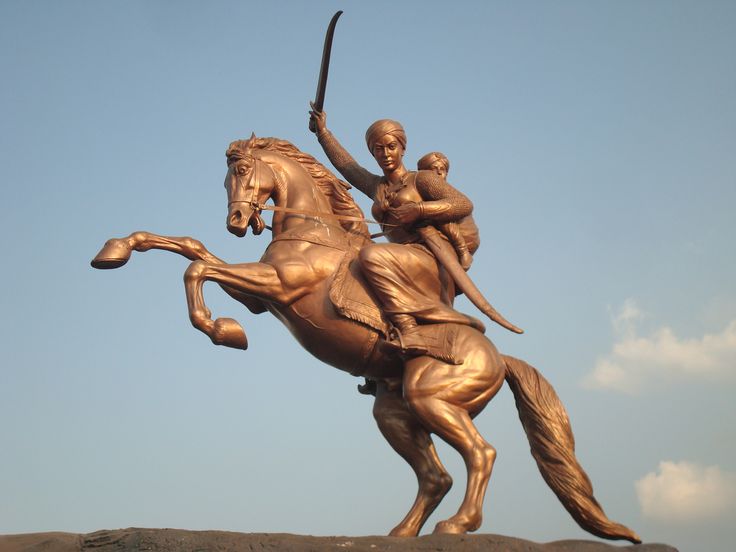
Despite the British eventually suppressing the uprising, the rebellion ignited the spark of Indian nationalism, and the British Crown took over direct control of India from the East India Company in 1858. The uprising is often considered the first unified attempt to end British rule, although its failure highlighted the need for organized leadership and strategy in the fight for independence.
1860s-1870s – Early Nationalist Movements and Societal Awakening
In the aftermath of 1857, India saw the emergence of early nationalist leaders who sought to address Indian grievances under British rule. Leaders like Dadabhai Naoroji, known as the “Grand Old Man of India,” began to highlight the economic exploitation of India by the British in his work “Poverty and Un-British Rule in India” (1901). Alongside Naoroji, figures such as Gopal Krishna Gokhale and Bal Gangadhar Tilak advocated for reform through education and self-governance.
The Indian National Congress (INC) was founded in 1885 with the aim of creating a platform for Indians to voice their concerns. Initially moderate in its approach, the INC began to take a more radical stance as British policies worsened. Tilak’s assertion that “Swaraj is my birthright” galvanized the growing discontent against colonial rule.
1905 – The Partition of Bengal and Swadeshi Movement
In 1905, the British decided to partition Bengal, ostensibly for administrative reasons but widely viewed as a strategy to divide and rule by fostering divisions between Hindus and Muslims. The move sparked widespread protests and became a rallying cry for nationalists. The Swadeshi Movement called for a boycott of British goods and an embracement of indigenous products, a theme that would become central to the independence struggle.
The partition also led to a surge in revolutionary activities across India, as young radicals like Lala Lajpat Rai and Bipin Chandra Pal sought more direct action against the British. Aurobindo Ghosh and Subhas Chandra Bose also emerged as key figures in this period, advocating for armed resistance against colonial rule.
1915-1919 – Rise of Gandhi
Mahatma Gandhi returned to India from South Africa in 1915, bringing with him the powerful philosophy of Satyagraha (truth and non-violence). Gandhi’s leadership in the Champaran Satyagraha (1917) and the Kheda Satyagraha (1918) marked the beginning of mass non-violent movements. In both instances, Gandhi mobilized the rural masses against oppressive British policies, showing that non-violent resistance could be effective in challenging British authority.
The Jallianwala Bagh massacre in 1919, where British troops under General Dyer opened fire on unarmed Indian civilians in Amritsar, shocked the nation and fueled widespread anger. The incident was pivotal in shifting many Indians from moderate to radical nationalist positions, strengthening Gandhi’s call for full independence.
1920-1930 – The Non-Cooperation and Civil Disobedience Movements
In 1920, Gandhi launched the Non-Cooperation Movement, urging Indians to refuse cooperation with the British government and institutions. This included boycotting British goods, schools, and courts. The movement achieved widespread success, with millions of Indians participating in protests and strikes.
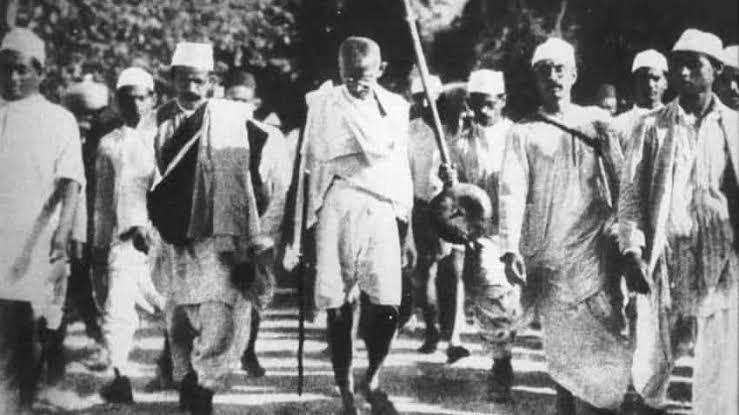
However, the movement was suspended in 1922 following the Chauri Chaura incident, where a mob killed several police officers. Despite this setback, Gandhi’s methods continued to inspire future resistance. In 1930, he launched the Civil Disobedience Movement, which was marked by the historic Salt March to Dandi. This act of defiance against the British salt tax became a symbol of Indian resistance and demonstrated the power of mass non-violent protests.
1935 – The Government of India Act and Growing Political Tensions
In 1935, the British passed the Government of India Act, which granted limited self-rule through the establishment of provincial legislatures. Although this was seen as a step towards greater autonomy, it was heavily criticized for maintaining British control over defense, foreign policy, and finances. The Act’s limitations further fueled Indian demands for full independence.
At the same time, the rise of the All India Muslim League under Muhammad Ali Jinnah and the growing division between Hindu and Muslim political interests began to create rifts within the nationalist movement, setting the stage for future conflicts.
1942 – The Quit India Movement
In 1940, World War II erupted, and Britain’s struggle for survival led to growing pressure from Indian nationalists for independence. In 1942, Gandhi launched the Quit India Movement, demanding that the British leave India immediately. The movement was met with mass arrests, and many leaders, including Gandhi, were imprisoned.
The Quit India Movement, although suppressed, proved to be a turning point. It demonstrated the irreversibility of India’s desire for independence, and the British government recognized that it could no longer maintain control over India in the face of mounting resistance.
1947 – Independence and Partition
In 1947, after a decade of turmoil, the British decided to leave India, recognizing that maintaining colonial control was no longer feasible. Extensive negotiations between the Indian National Congress, the Muslim League, and the British government led to the partition of India into two independent states: India and Pakistan, on August 15, 1947.
The partition led to mass violence and the displacement of millions, marking the painful aftermath of independence. Yet, despite the trauma of partition, India emerged as a democratic republic with the adoption of its Constitution in 1950.