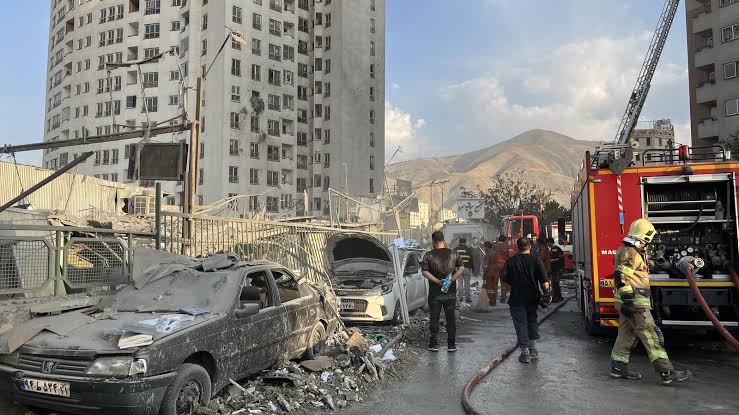
On June 13, 2025, the world woke up to breaking news: Israel Airstrikes on Iran, marking a dramatic escalation in the long-standing conflict between the two nations. The operation, codenamed “Rising Lion”, targeted key Iranian nuclear facilities, missile sites, and top military leaders, signaling a severe warning against Iran’s alleged nuclear ambitions.
Why Did Israel Launch Airstrikes on Iran?
Israel claimed the airstrikes were a preemptive measure against an imminent nuclear threat posed by Iran. Key reasons include:
- Iran had stockpiled over 400 kg of uranium enriched to 60%, nearing weapons-grade levels.
- Intelligence reports suggested Iran was weeks away from developing nuclear weapons.
- Diplomatic negotiations had collapsed, leaving military action as Israel’s only option (according to PM Netanyahu).
These strikes followed years of rising tensions, cyberattacks, and covert sabotage operations.
What Did Israel Target in Iran?
The Israeli Defense Forces (IDF) and Mossad conducted a coordinated attack involving over 200 fighter jets. Major targets included:
- Natanz and Fordow uranium enrichment sites
- Missile and drone manufacturing units in Khondab and Khorramabad
- Tehran-based IRGC command centers
- Residences of nuclear scientists and senior IRGC generals
Top Iranian figures reportedly killed in the attack:
- IRGC Commander Hossein Salami
- Military Chief Mohammad Bagheri
- Aerospace Force Chief Amir Ali Hajizadeh
- Senior nuclear scientists including Fereydoun Abbasi
Iran’s Response to Israeli Airstrikes
Iran quickly declared the airstrikes an act of war. The government responded by:
- Launching over 100 drones and ballistic missiles toward Israel (mostly intercepted by Iron Dome)
- Promising “severe retaliation”
- Mobilizing proxy groups like Hezbollah and Iraqi militias
- Ending all ongoing nuclear talks
Supreme Leader Ali Khamenei called the strikes a “red line,” vowing to avenge the loss of Iran’s military leadership.
Global Reaction to the Israel-Iran Conflict
The world reacted swiftly to the Israel airstrikes on Iran:
| Country | Response |
|---|---|
| United States | Backed Israel’s right to self-defense but urged de-escalation |
| Russia & China | Condemned Israel, called for immediate ceasefire |
| United Nations | Urged both sides to avoid a regional war |
| Gulf Nations (Saudi, UAE, Qatar) | Expressed concern over instability |
| EU Countries | Warned of humanitarian and economic consequences |
Several countries temporarily closed airspace, and oil prices jumped over 6%, reflecting market fears of a prolonged Middle East war.
What Happens Next After Israel’s Airstrikes on Iran?
1. Risk of Retaliation
Iran may strike back directly or use proxies like Hezbollah, Houthis, or cyber warfare.
2. Accelerated Nuclear Development
With diplomacy sidelined, Iran may fast-track its nuclear program as a deterrent.
3. U.S. Military Involvement
The U.S. has deployed additional forces to the Gulf, signaling preparation for regional defense and containment.
4. Rising Oil Prices & Global Tensions
- Crude oil may cross $100/barrel if conflict escalates.
- Regional economies in the Middle East may suffer supply chain disruptions.
Strategic Takeaways
- Israel’s strikes were preemptive, aiming to cripple Iran’s nuclear and military infrastructure.
- Iran now faces both a military and diplomatic dilemma.
- Global powers are divided — some urging restraint, others preparing for deeper involvement.