Home workouts are an excellent way to maintain fitness, offering flexibility and convenience for people of all age groups. This comprehensive guide provides effective home workout routines tailored to different age groups, ensuring safety and long-term health benefits.
What Makes Home Workouts Effective?
Home workouts are:
- Convenient: Fit into your schedule without the commute to a gym.
- Cost-Effective: No need for expensive equipment.
- Customizable: Adaptable to your fitness level and goals.
General Structure of a Home Workout
Every workout should include these components:
- Warm-Up: 5-10 minutes of light cardio and dynamic stretches.
- Workout: A mix of strength, cardio, flexibility, and balance exercises.
- Cool-Down: 5-10 minutes of static stretching to relax muscles.
Workouts by Age Group
1. Children (Ages 5-12)
Children thrive on fun and engaging activities that promote physical and mental growth.
- Warm-Up:
- Jumping jacks (2 minutes).
- Arm circles and high knees (30 seconds each).
- Workout:
- Bear Crawl: Improves upper body and core strength (crawl forward and backward for 1 minute).
- Star Jumps: Boosts cardio fitness (10-15 jumps).
- Balance Game: Stand on one leg and pass a ball for 30 seconds.
- Cool-Down:
- Butterfly stretch and child’s pose (hold for 15 seconds each).
2. Teenagers (Ages 13-19)
Teenagers can handle more structured routines to build strength, stamina, and flexibility.
- Warm-Up:
- Jog in place or skip rope (3 minutes).
- Dynamic stretches like lunges with a twist (1 minute).
- Workout:
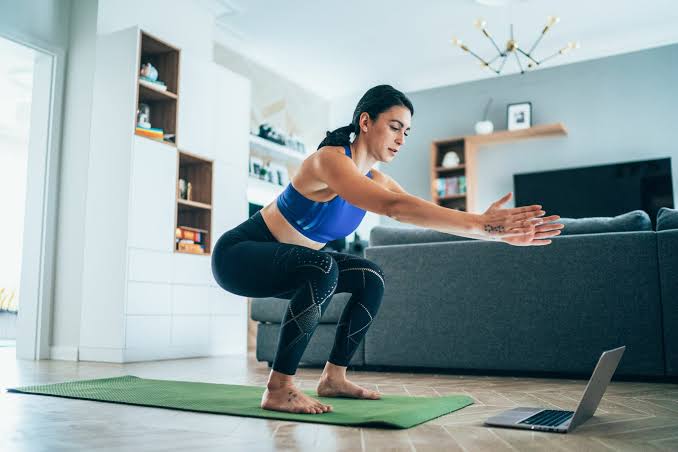
- Bodyweight Squats: Builds lower body strength (15-20 reps).
- Push-Ups: Strengthens chest and arms (10-15 reps).
- Plank Shoulder Taps: Engages the core and shoulders (10 taps per side).
- Mountain Climbers: Improves cardio and core strength (30-40 seconds).
- Cool-Down:
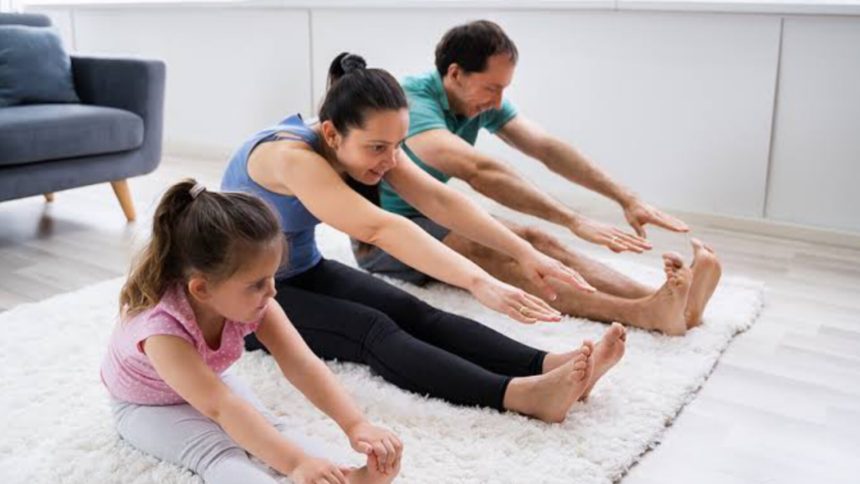
- Forward fold and seated spinal twist (hold each for 20 seconds).
3. Adults (Ages 20-50)
Adults benefit from a combination of strength training, cardio, and flexibility exercises.
- Warm-Up:
- March in place or dance to a favorite song (3-5 minutes).
- Arm and leg swings (10 reps each side).
- Workout:
- Push-Ups: Standard or modified on the knees (12-15 reps).
- Lunges: Alternating legs for strength and balance (10 reps per leg).
- Plank with Leg Lift: Builds core strength (10 seconds per lift).
- Burpees: Boosts cardio and overall endurance (8-10 reps).
- Cool-Down:
- Cat-cow stretch and cobra pose for flexibility (20 seconds each).
4. Seniors (Ages 50+)
For seniors, the focus is on low-impact exercises that enhance mobility, strength, and balance.
- Warm-Up:
- Gentle marching in place or seated toe taps (2-3 minutes).
- Neck and shoulder rolls (10 reps each).
- Workout:
- Chair Squats: Builds lower body strength and balance (10-12 reps).
- Wall Push-Ups: Strengthens the upper body without straining joints (10 reps).
- Heel-to-Toe Walks: Improves balance (10 steps forward and backward).
- Seated Leg Lifts: Strengthens thighs and core (10 reps per leg).
- Cool-Down:
- Ankle rolls and seated forward bend (hold for 15 seconds each).
Weekly Workout Plan Example
| Day | Activity | Duration |
|---|---|---|
| Monday | Strength training (full body) | 30-45 minutes |
| Tuesday | Cardio (brisk walk, skipping) | 20-30 minutes |
| Wednesday | Yoga or Pilates | 20 minutes |
| Thursday | Strength + Balance | 30 minutes |
| Friday | HIIT or circuit training | 20-25 minutes |
| Saturday | Fun activity (dancing, sports) | 30 minutes |
| Sunday | Rest or light stretching | 15-20 minutes |
Advanced Tips for Enhancing Home Workouts
- Circuit Training: Combine strength, cardio, and flexibility exercises into a continuous loop for maximum calorie burn in minimal time.
- Example: 1-minute squats → 1-minute push-ups → 1-minute jumping jacks → 1-minute plank → 30-second rest → repeat.
- Progression: Gradually increase intensity to avoid plateaus.
- Use heavier weights, increase reps, or reduce rest times.
- For seniors, progression can mean improving balance by transitioning from chair squats to free-standing squats.
- Incorporate Functional Movements:
- Exercises mimicking daily activities improve real-life strength.
- Examples: Lifting objects (deadlifts with weights), reaching for items (overhead presses), or getting up from the floor (modified burpees).
- Mind-Body Connection:
- Adding mindfulness to workouts improves focus and reduces stress.
- Yoga, Pilates, or even controlled breathing during stretches enhances both mental and physical well-being.
Safety Tips
- Start Slow: Gradually increase intensity, especially for beginners.
- Use Proper Form: Avoid injuries by ensuring correct posture.
- Modify as Needed: Adjust exercises to match fitness levels.
- Listen to Your Body: Stop if you feel pain or discomfort.
Conclusion
Home workouts are more than a convenient solution—they are a sustainable way to prioritize health and well-being at any age. By incorporating variety, setting realistic goals, and focusing on proper technique, you can create a workout plan that evolves with your needs. Start small, stay consistent, and remember: fitness is not about perfection; it’s about progress.