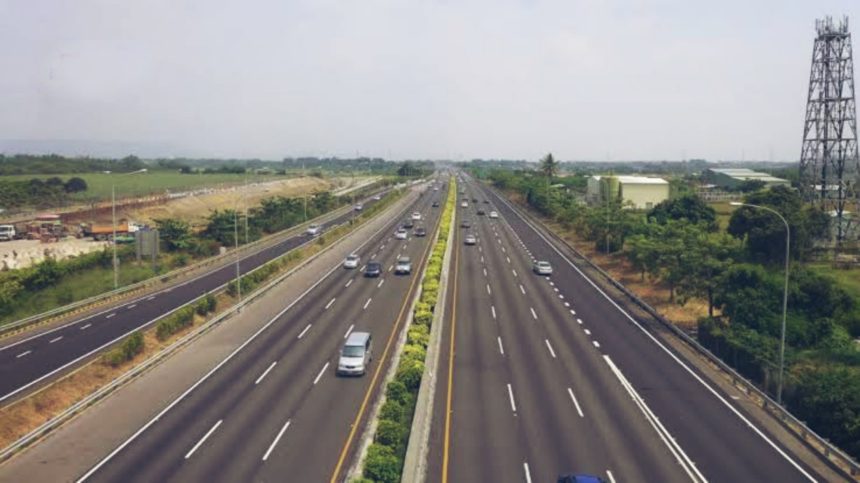
After the Amas-Darbhanga Expressway, Bihar is set to enhance its road infrastructure further with the newly approved Buxar-Bhagalpur Expressway. This significant project has been officially included in the Union Budget 2025-26, confirming its route and construction plan. Instead of creating an entirely new pathway, the expressway will be developed by upgrading three major National Highways (NHs), ensuring a faster and more efficient highway network in the state.
Route Change: Now Passing Through Patna
Initially, the proposed route for the expressway was set to pass through Buxar, Dumraon, Piro, Arwal, Jehanabad, Nawada, and Bhagalpur. However, under the revised plan, it will now traverse Patna, Mokama, and Munger before reaching Bhagalpur. The total length of this expressway will be 360 kilometers.
Upgraded Infrastructure Instead of a New Road
As per the Union Budget report, the expressway will be constructed by upgrading existing highways, rather than building an entirely new road. Currently, 280 km of this route is already four-lane, while only 78.5 km between Mokama and Munger needs to be widened to four lanes.
Three National Highways to Form the Expressway
The Buxar-Bhagalpur Expressway will be developed using the following three major highways:
- NH-922 (Buxar–Ara–Patna, four-lane)
- NH-31 (Patna–Munger, four-lane)
- NH-33 (Munger–Bhagalpur, four-lane)
Challenge: Implementing Access Control
A major challenge in this project will be ensuring access control, which is essential for expressways. Typically, expressways have service roads, boundary walls, and limited entry-exit points to prevent unauthorized access. However, since this expressway is being developed by upgrading existing highways, it remains unclear how effectively access control will be implemented.
Boost to Bihar’s Infrastructure and Economy
The Buxar-Bhagalpur Expressway will significantly improve east-west connectivity in Bihar, reducing travel time and enhancing convenience. Additionally, by directly linking Patna, Mokama, and Munger, the project is expected to stimulate industrial growth and further boost economic development in the region.