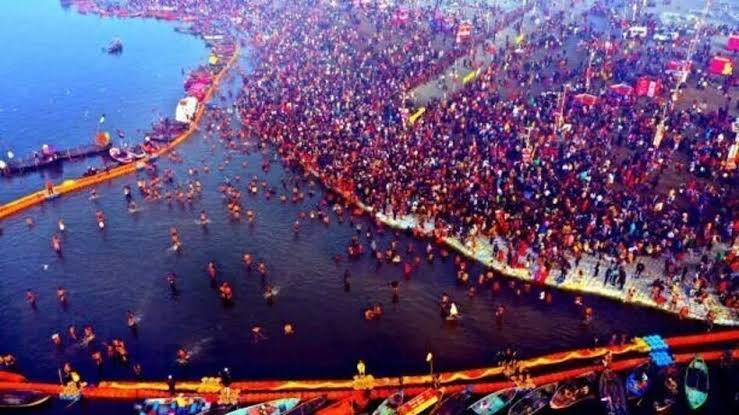
The Maha Kumbh Mela, celebrated as the world’s largest spiritual gathering, is a breathtaking convergence of faith, culture, and ancient traditions. Scheduled to commence on January 13, 2025, and conclude on February 26, 2025, in Prayagraj, Uttar Pradesh, this event is expected to attract an estimated 400 million visitors from around the globe.
Historical and Mythological Significance
The origins of the Kumbh Mela are deeply rooted in Hindu mythology, particularly the legend of the Samudra Manthan, or the churning of the ocean of milk. According to this legend, gods and demons churned the ocean to obtain Amrita, the nectar of immortality. During this cosmic event, drops of the nectar fell at four earthly locations: Prayagraj, Haridwar, Ujjain, and Nashik. These sites became sacred, and the Kumbh Mela is held at each in a rotational cycle, with the Maha Kumbh Mela occurring every 12 years in Prayagraj. The festival’s timing is astrologically determined, aligning with specific planetary positions that are believed to enhance spiritual benefits. Bathing in the sacred rivers during this period is thought to cleanse one’s sins and aid in liberation from the cycle of birth and death.
Key Rituals and Events
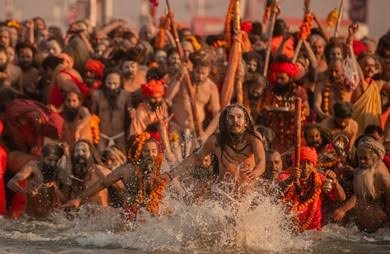
The Maha Kumbh Mela is marked by several significant rituals, the most prominent being the Shahi Snan (Royal Bath). On designated auspicious dates, millions of pilgrims, along with ascetics and saints from various Akharas (monastic orders), take a ceremonial dip at the Triveni Sangam—the confluence of the Ganges, Yamuna, and the mythical Saraswati rivers. The main bathing dates for the 2025 Maha Kumbh Mela are:
- January 13 (Paush Purnima): Marks the beginning of the Mela with the first royal bath.
- January 14 (Makar Sankranti): A significant day signifying the sun’s transition into Capricorn.
- January 29 (Mauni Amavasya): Considered the most auspicious day for bathing.
- February 3 (Basant Panchami): Celebrates the arrival of spring.
- February 12 (Magh Purnima): The full moon day in the Magh month.
- February 26 (Maha Shivaratri): Dedicated to Lord Shiva, marking the conclusion of the Mela.
Beyond the ritual baths, the Mela features spiritual discourses, devotional singing, and assemblies of sadhus (holy men) who impart wisdom and blessings to the devotees. The presence of these ascetics, ranging from hermits to silk-clad teachers, adds to the festival’s spiritual ambiance.
Preparations and Infrastructure
In anticipation of the massive influx of pilgrims, extensive preparations are underway to ensure a safe and enriching experience. The Prayagraj Mela Authority has initiated several projects, including:
- Tent City: A sprawling expanse accommodating over 2,000 tents, providing lodging for visitors.
- Enhanced Connectivity: Improved road networks, pedestrian pathways, and overbridges to facilitate movement.
- Sanitation Measures: Advanced waste management systems and sewage treatment plants to maintain cleanliness.
- Security Enhancements: Deployment of digital surveillance, crowd control technologies, and AI-driven assistance tools to ensure safety.
- Cultural Venues: Establishment of convention and cultural centers for hosting religious discourses and traditional performances.
Environmental Initiatives
A significant emphasis is being placed on sustainability, with plans for a plastic-free Mela. This includes strict regulations on single-use plastics, comprehensive waste management strategies, and awareness campaigns to promote eco-friendly practices among attendees.
Global Significance
The Maha Kumbh Mela transcends religious boundaries, attracting tourists, spiritual seekers, and scholars worldwide. Recognized by UNESCO as an Intangible Cultural Heritage, the festival serves as a testament to India’s rich cultural tapestry and its enduring traditions.