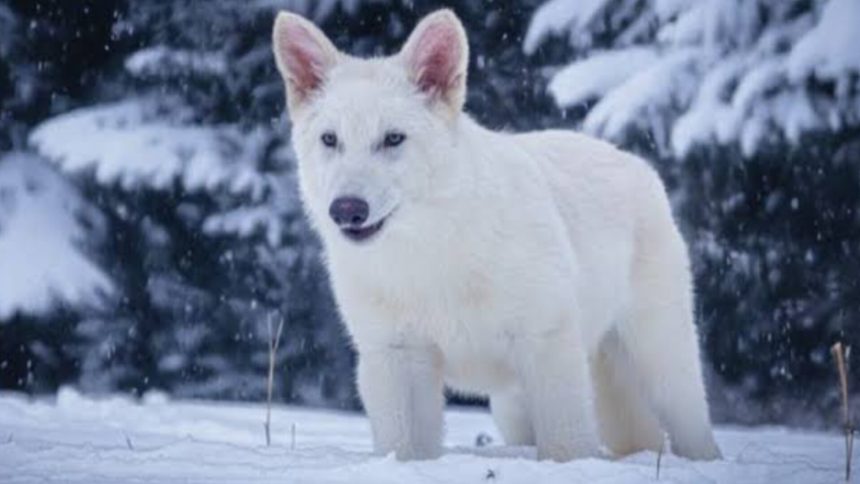
In an extraordinary scientific achievement, dire wolves — fearsome predators of the Ice Age — have been brought back to life after being extinct for nearly 13,000 years. Thanks to the pioneering work of Colossal Biosciences, three dire wolves named Romulus, Remus, and Khaleesi are now alive, marking a historic moment in the fields of genetics, conservation, and de-extinction science.
The Legend of the Dire Wolf
Dire wolves (Canis dirus) were once apex predators across North America, roaming the vast plains alongside mammoths, saber-toothed cats, and giant sloths. Larger and stockier than today’s gray wolves, dire wolves were powerful hunters, capable of taking down megafauna. They weighed up to 70 kilograms (over 150 pounds) and had strong jaws adapted to crush bone.
For decades, dire wolves captured the imagination of scientists and popular culture alike. Unlike their more famous portrayal in HBO’s Game of Thrones, real dire wolves were not simply oversized versions of modern wolves — they were a distinct species with significant differences in behavior, appearance, and genetic makeup.
How Scientists Brought Dire Wolves Back
The revival of the dire wolf has been made possible through advanced genetic engineering and synthetic biology. Scientists extracted ancient DNA from well-preserved dire wolf fossils found in tar pits and permafrost. However, the DNA was incomplete and fragmented after millennia of degradation.
To overcome this, researchers mapped the recovered dire wolf genes and identified missing sequences. Using genome editing technologies such as CRISPR, they synthesized these sequences and integrated them with the DNA of the closest living relative — the gray wolf (Canis lupus).
The result is a hybrid that is genetically over 90% dire wolf, enough for scientists to declare Romulus, Remus, and Khaleesi true representatives of their ancient species. These animals were gestated in surrogate mothers and successfully brought into the world under strict ethical and scientific oversight.
Why Bring Back Dire Wolves?
The de-extinction of the dire wolf is more than just a scientific curiosity. Advocates argue that restoring extinct species could help rebuild ecosystems, combat biodiversity loss, and repair the damage caused by human activity. Dire wolves, for instance, could play a role in controlling overpopulated species in certain environments, much like how modern wolves regulate deer and elk populations.
Moreover, the project showcases the potential of genetic science to address broader issues such as species conservation. Techniques developed for de-extinction could be applied to saving critically endangered animals before they vanish forever.
Ethical and Ecological Concerns
However, not everyone agrees that bringing back extinct animals is a good idea. Critics warn of unintended consequences, including the risk of new diseases, ecological imbalance, and ethical concerns about the welfare of resurrected species. Would these creatures be able to survive in today’s vastly different environment? Could they integrate into existing ecosystems without causing harm?
There is also the broader question: just because science can bring back extinct animals, does it mean it should?
Colossal Biosciences has emphasized that their project is being carried out with caution. The three dire wolves are currently living in a controlled sanctuary where their health, behavior, and interactions with their environment are being carefully monitored. Long-term plans for their future are still under consideration and will involve extensive ecological assessments.
A New Era in Science
The successful return of Romulus, Remus, and Khaleesi marks the dawn of a new era. It’s not just about bringing back the past — it’s about understanding life itself in new ways and using that knowledge responsibly. As scientists continue to refine de-extinction techniques, the world may soon see efforts to revive other lost species like the woolly mammoth, the dodo, or the thylacine.
For now, the dire wolves serve as living symbols of what humanity can achieve and a reminder of the incredible creatures that once roamed the Earth, now given a second chance to walk among us once more.